Introducing Oswald: A Handwritten Font for Modern Creatives
The Distinctive Character of Oswald
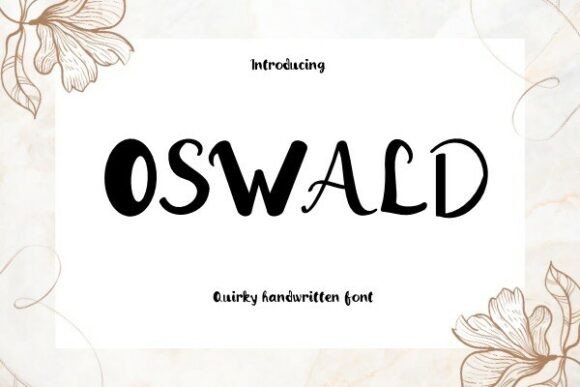
Finding a font that feels both personal and professional can be a real challenge. You want something with personality, but it also needs to hold its own in a crowded design space. That's where Oswald enters the picture. It's not just another handwritten font; it's a crafted typeface with a distinct, flowing character that manages to feel both approachable and confident. The letterforms have a natural, slightly irregular rhythm, mimicking the subtle variations of actual pen strokes. This gives it an authentic, human touch that more rigid, digital fonts often lack.
What sets Oswald apart is its versatility. It carries the warmth of a script font but with improved legibility, making it a practical creative font for more than just accent text. Its style is contemporary, avoiding the overly casual or whimsical look that can limit a font's use. Think of it as the typographic equivalent of a well-tailored casual jacket—appropriate for a creative meeting, a weekend project, or a polished presentation. This balance is key to its appeal across different audiences.
Where Oswald Truly Shines: Practical Applications
The real test of any design asset is how it performs in real-world projects. Oswald proves its worth as a premium font across a surprising range of applications. For entrepreneurs and small business owners building a brand identity, it offers a unique voice. It works beautifully for logo design, especially for brands that want to convey creativity, approachability, and a personal touch—think boutique shops, artisanal food brands, or independent consultancies.
For packaging design and physical products, Oswald adds a layer of artisanal charm. Imagine it on a coffee bag label, a candle wrapper, or a cosmetic box. It suggests care and craftsmanship. The same principle applies to t-shirt design, hats, and mugs. Oswald provides a standout visual element that feels custom-made, helping merchandise connect on a more personal level with customers.
- Greeting Cards & Invitations: Its handwritten style is perfect for adding a personal, celebratory feel to wedding suites, birthday cards, or holiday greetings.
- Poster & Editorial Design: Use it for headlines in magazine layouts, event posters, or book covers to draw the eye with expressive typography.
- Digital Presence: It can elevate web design headers, social media graphics, and blog titles, making content feel more engaging and less corporate.
- Mockups & Presentations: Adding Oswald to a product mockup or a pitch deck instantly makes it look more polished and intentional.
Making Oswald Work for Your Projects
Choosing the right font is about more than just liking how it looks in isolation. You need to consider context, audience, and function. Oswald is a display font by nature, meaning it's engineered to make an impact at larger sizes. For body text in long documents, pairing it with a clean sans serif font or a traditional serif font is a smart move. This creates a clear visual hierarchy, using Oswald for headlines and pull quotes to inject energy, while a simpler typeface ensures comfortable reading for paragraphs.
When evaluating if Oswald is the right fit, consider your project's tone. Is your brand or publication aiming for a modern, creative, and human-centric feel? If so, it's a strong candidate. Always test it in context. Place the font in your actual layout, at the sizes you'll use, to check its readability and overall vibe. Does it support your message or distract from it? A good font pairing is essential; Oswald often harmonizes well with geometric sans serifs or elegant serifs, creating a balanced and professional modern typography system.
From a practical standpoint, ensure you understand the licensing. As a commercial font, Oswald's license should cover your intended use, whether for personal projects, client work, or merchandise for sale. Review the included styles—does it offer the weight or alternates you need? Investing in a quality typeface like Oswald is an investment in your project's visual foundation. It's a tool that, when used thoughtfully, can significantly enhance how your audience perceives and engages with your work, adding that crucial element of distinctive style and professionalism.